Student Reflections: Week 3
Rafi Josselson
We began our week after a well deserved break from the action as we united with family and friends for our first host Shabbat. By Sunday morning we were rested up and back on the road! We went to Caesarea – the impressive port city built by King Herod in 22 BCE. We tested out the amphitheater by seeing how it carried our voices, then we went to the hippodrome, home of the horse races. Many of us raced against each other in piggyback races. Of course, our tour guides placed all of this within the discussion we had been having about the clash of cultures 2000 years ago. What sticks with me is the Jewish relationship to bloodsport. Many Jews would attend these bloody public executions not for entertainment but rather to serve as witnesses. I think it’s a powerful theme that I will carry with me in Poland.
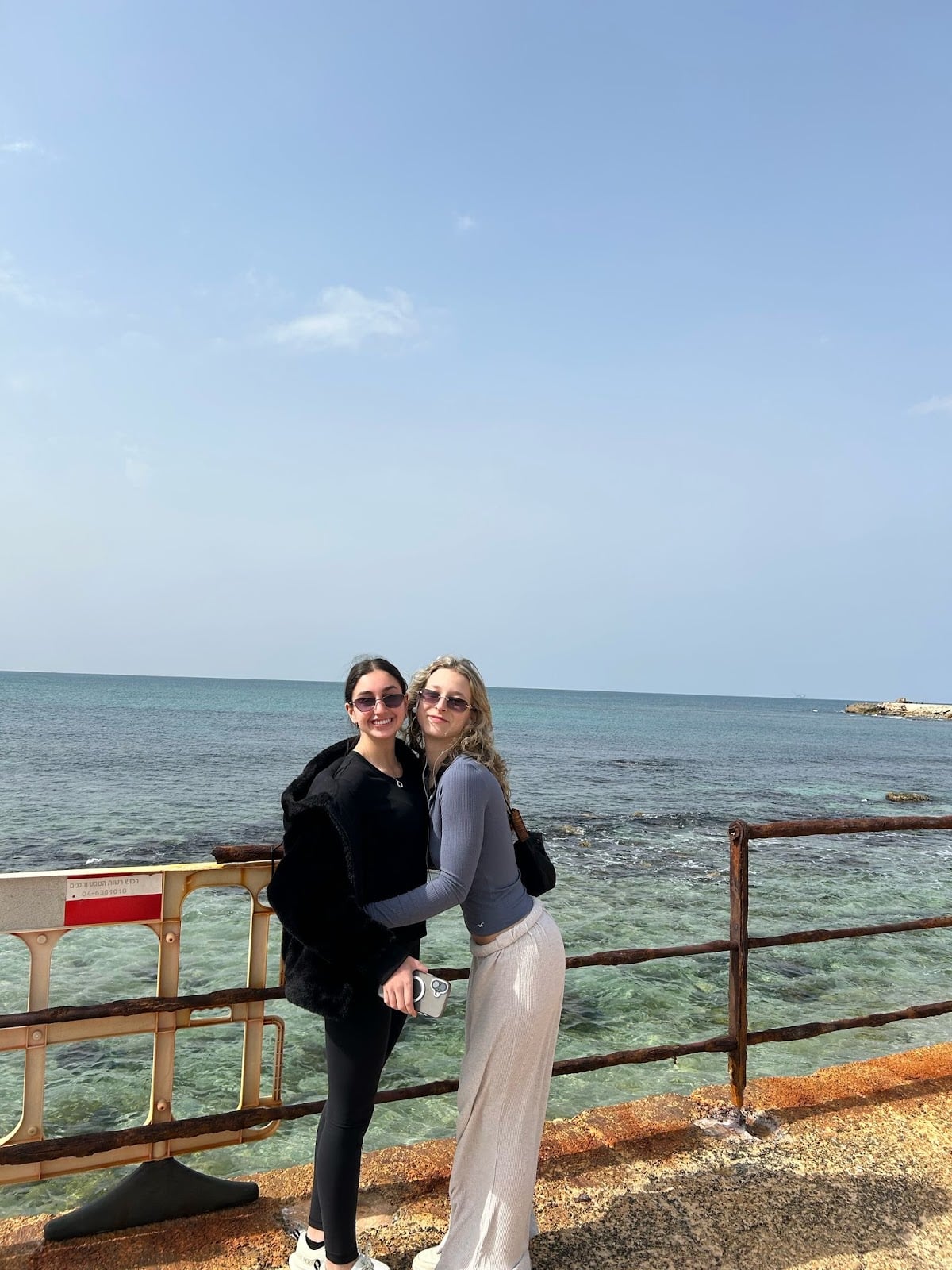
Afterwards, we had a quick falafel lunch and headed to the Carmel mountains. We hiked at a site called Little Switzerland. I don’t see the resemblance, but I certainly see why our guides chose the location. It was beautiful. The beginning of the hike was nice and easy, and towards the end we were challenged with some rock climbing.
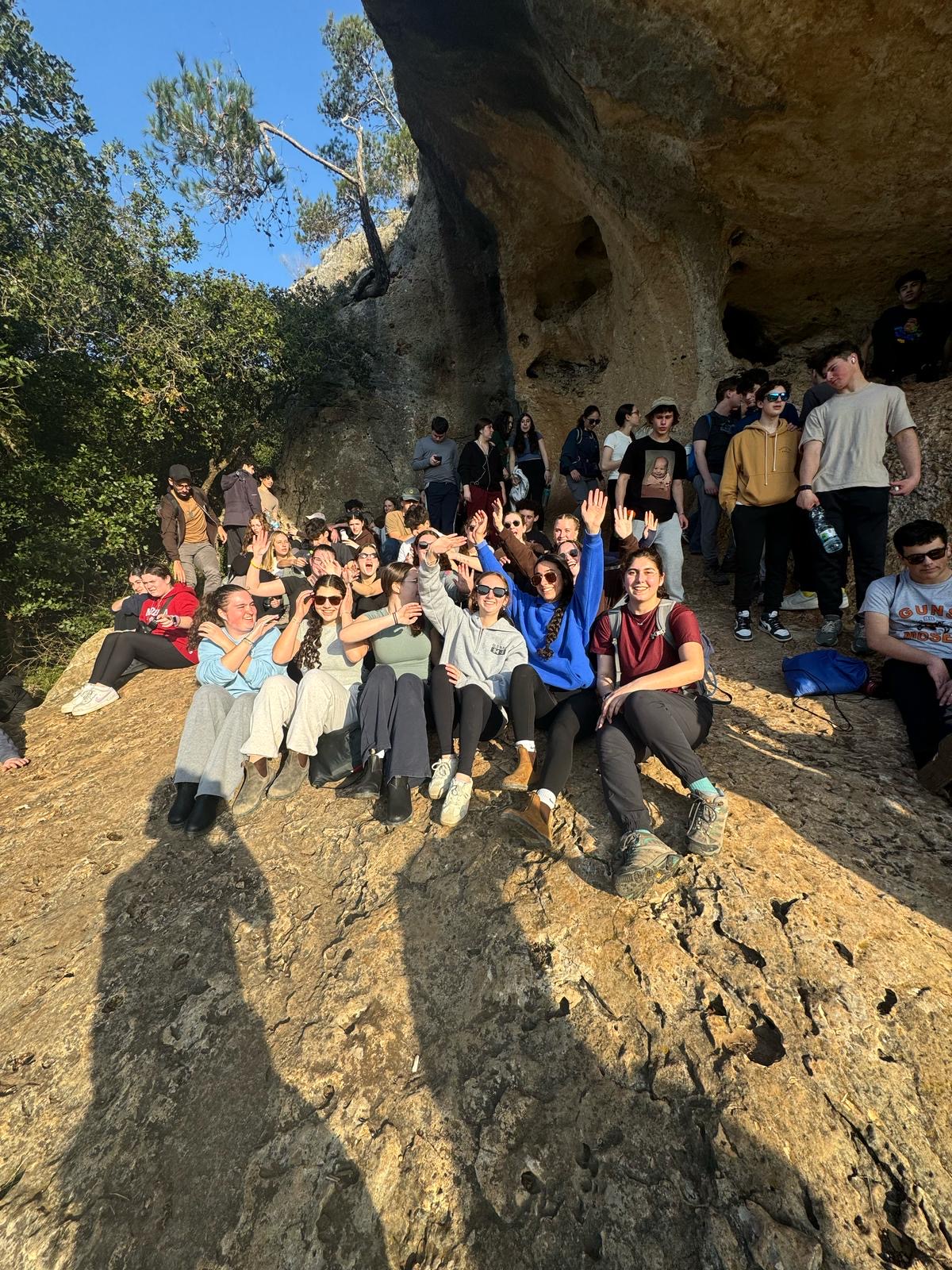
Dinner was at Nurah’s Kitchen – a kosher Druze restaurant. The food was delicious. It had my favorite dessert so far, Qatayef, which was sort of like a mini apple pie, but filled instead with nuts and spices. We loved getting to hear Nurah’s story and about how members of the Druze community have and continue to contribute so much to Israel.
After such a long day, we needed sleep, and so we checked into Nes Ammim to get some. In the morning we were back on the road again, this time to Tzipori. Here we learned about the early rabbis: the clashes with the Romans, the compilation of the Mishnah and later the Talmud, and the mosaics that adorned their homes and places of worship. Much of what we learned here tied directly into what we have all learned in our Talmud and Jewish History classes, and being able to make those connections was amazing. We ended the visit by hearing Max Gorenstein’s senior drashah and eating a delicious lunch of burgers.
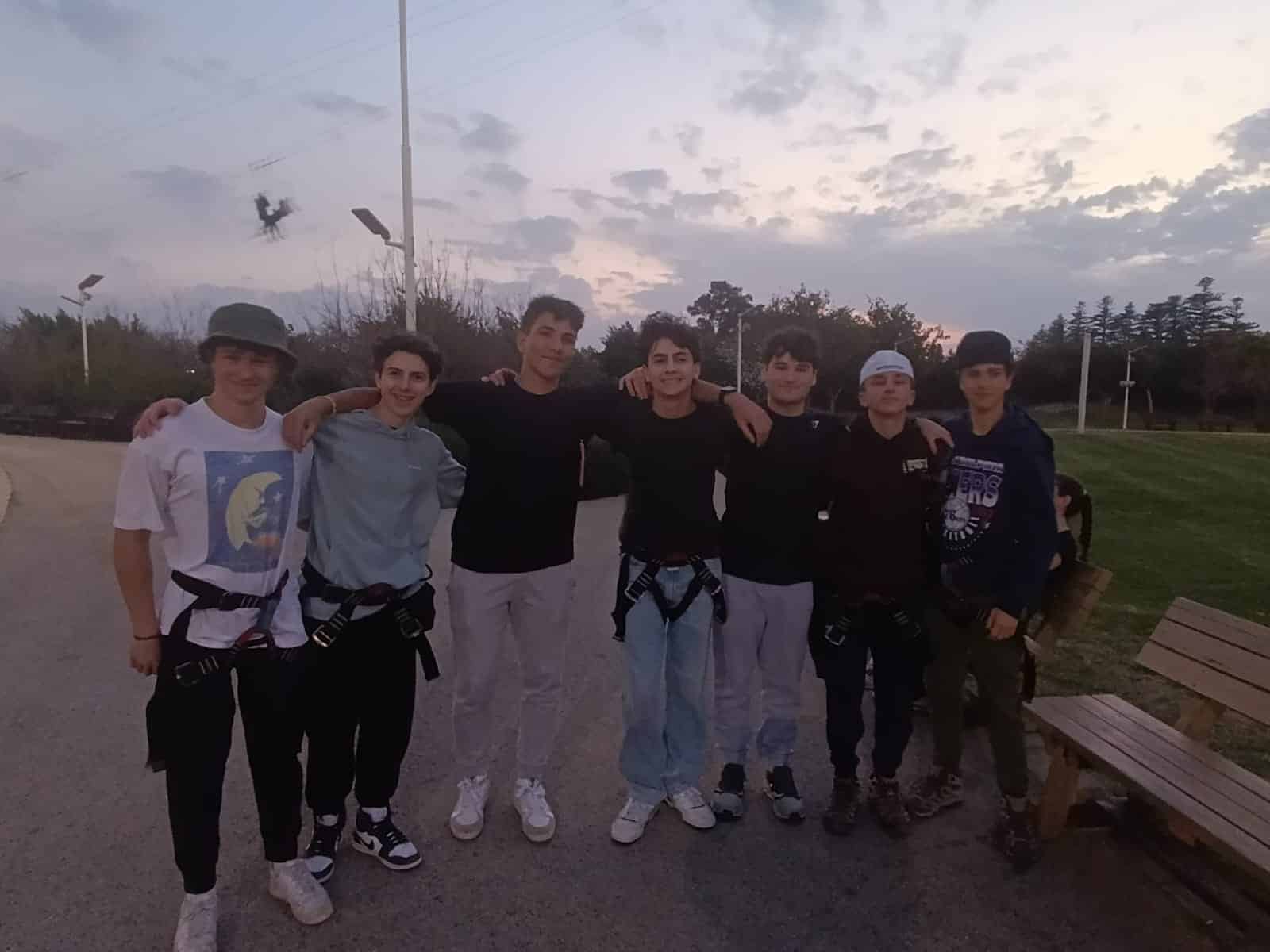
We quickly stopped in Haifa to take a view of the city. Originally, we were going to walk through some of the Bahai gardens, but a renovation meant we couldn’t do that. Instead, some of us enjoyed ice cream and took in the view as our educators explained to us the significance of Haifa within modern Israel. We then went to the Akko Extreme Park. I am not a thrill seeker, but my friends who are had a wonderful time. There was a zip line, a rock wall, and a bungee jump, and even those of us who didn’t join in had a fun time supporting our friends.
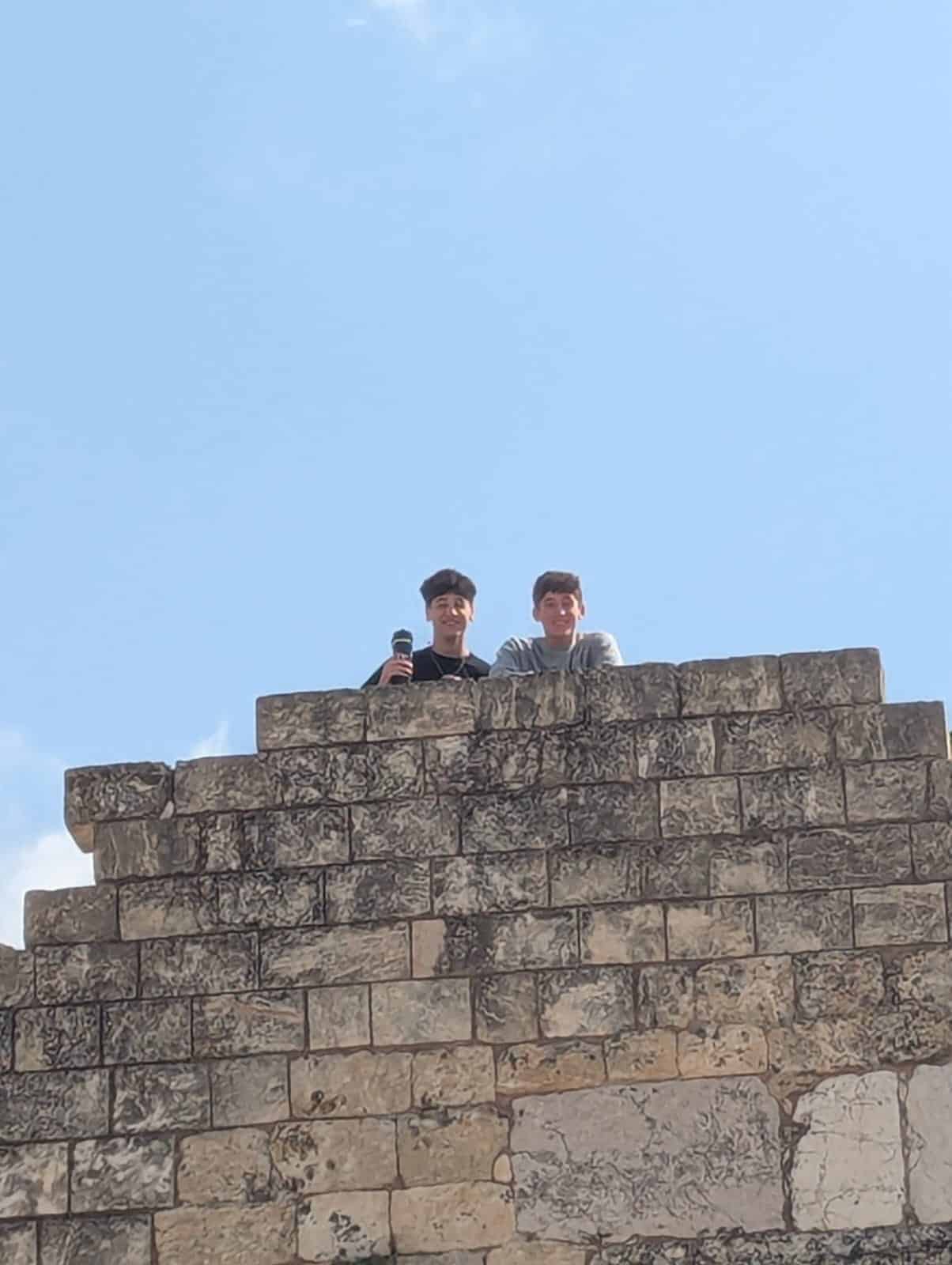
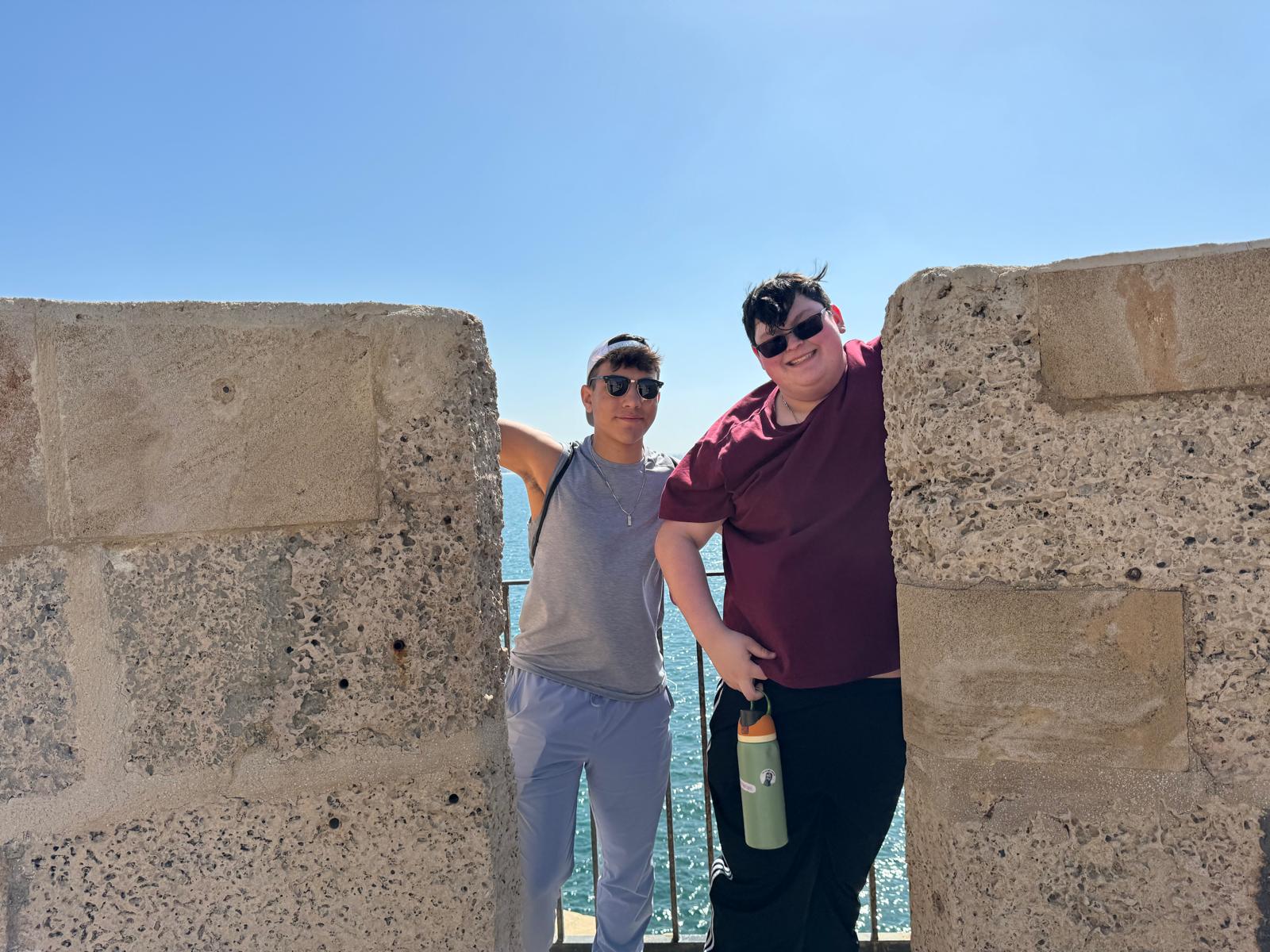
We ended the day with a lecture with Ibrahim and Amira, two Palestinian citizens of Israel who shared with us their perspective on the ongoing conflict. With that, we headed to bed after an exhausting day. The next morning we were on the road yet again, this time to the old city of Akko. Our educators led us through this fascinating historical site. We started by exploring the old prison and Crusader castle. Then we visited a mosque. This was my first time at a mosque, and it went amazing. The Waqf were very welcoming. We finished our time in Akko by going through a Templar tunnel from the Crusader period. This tunnel was only recently excavated, and it was a lot of fun. While I had to duck down at points, it was a quick journey, and when we were through, we were at the sea!
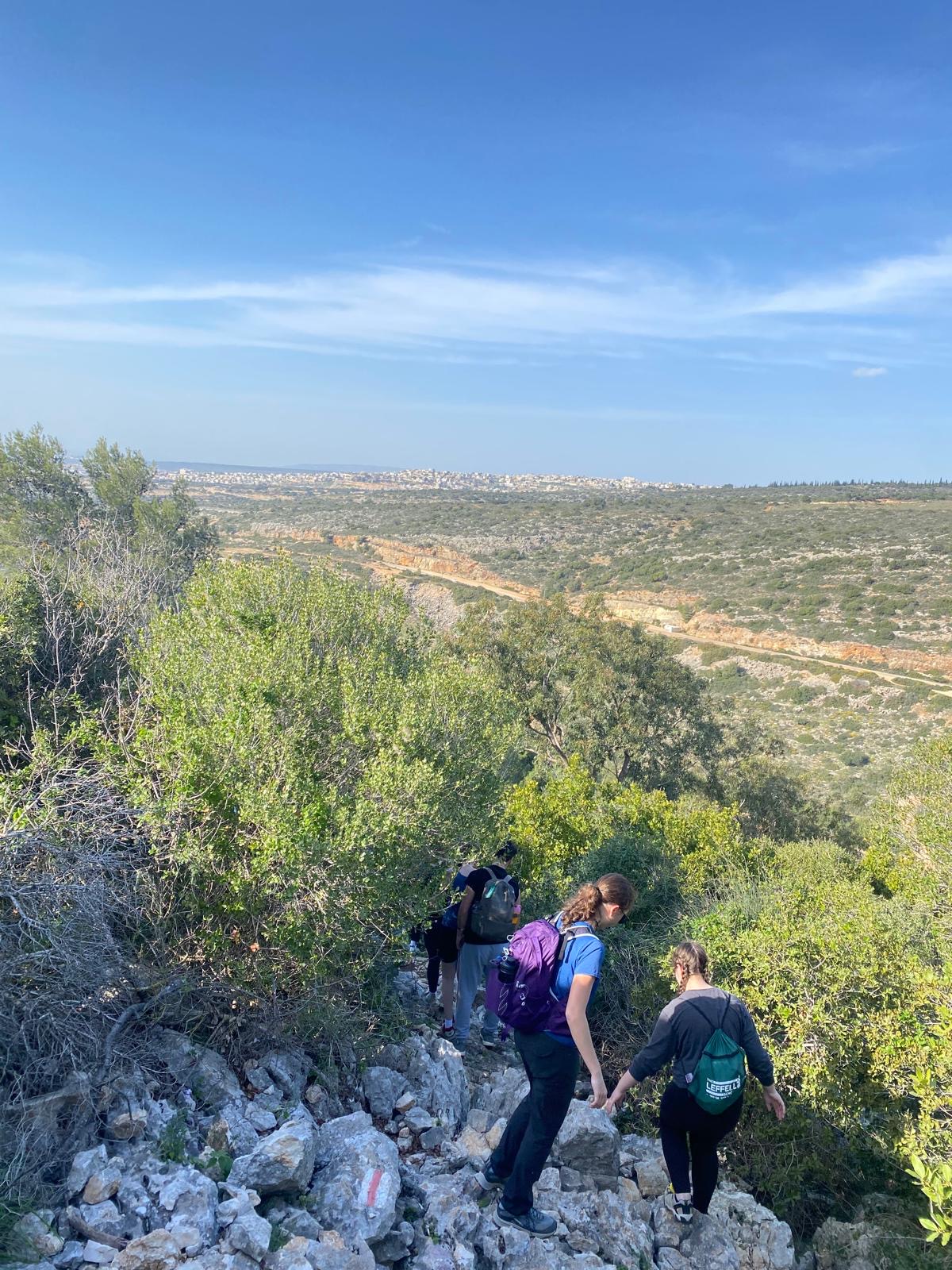
Then we had lunch and split into hiking groups. One group hiked up Har Gamal. My friend Josef, who was part of this group, said it was tough as it involved climbing, and even a cave at one point, but he said that it was worth it because of the beautiful view. The other two groups went up Har Meron – my group circled around the top and got to see some incredible views. Towards the end Arbel, our medical rakaz, led us in a meditation. It was a great afternoon, and we got to see the majestic beauty of Israel’s north.
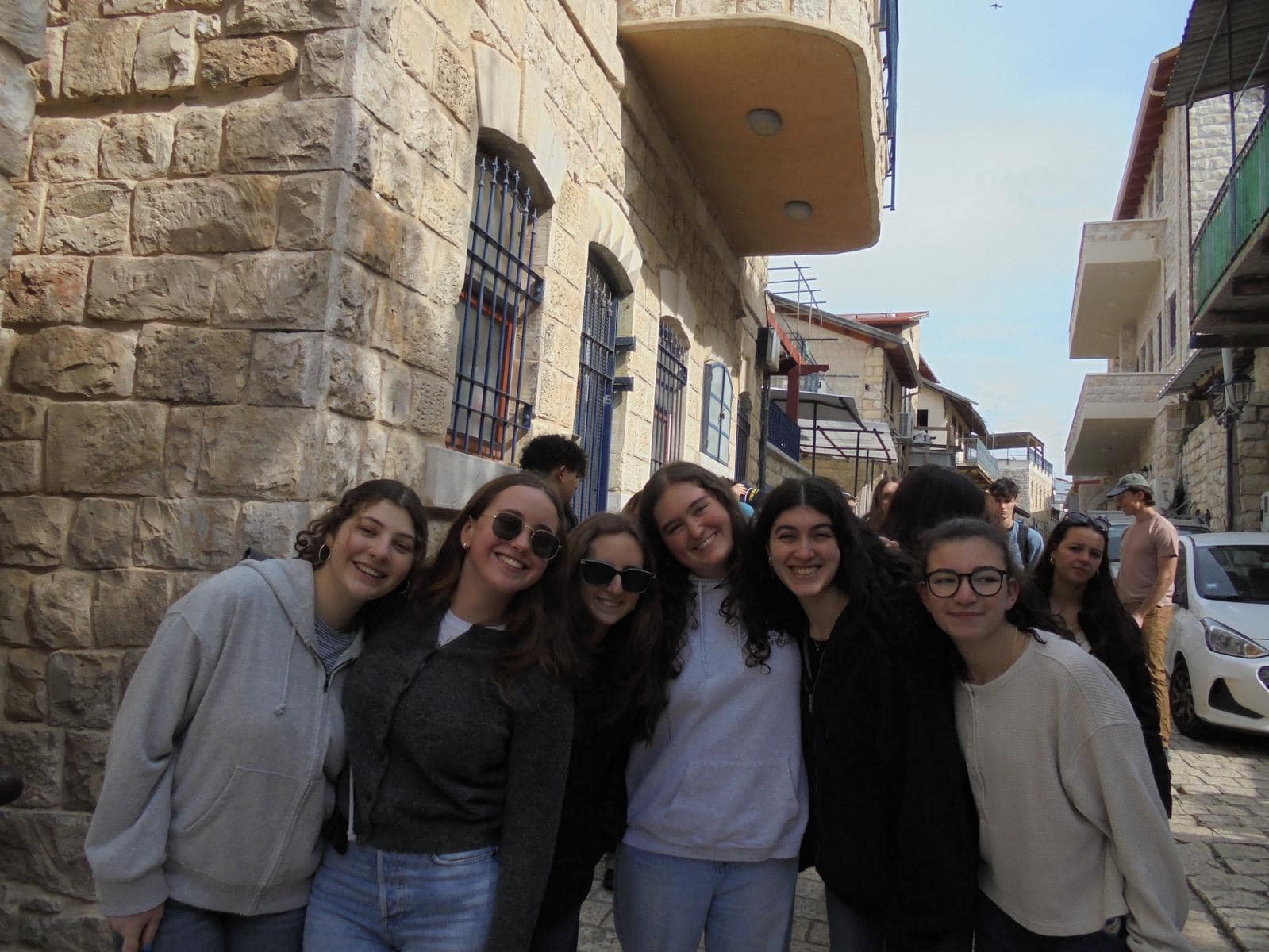
Unfortunately this was the end of our time with HaMoreh Yaniv, who left to spend the rest of the week with his family. The next morning we were joined by Rabbi Adam as we headed to Tzfat. In Tzfat we met with a kabbalistic musician named Yosef who led us in song and meditation and taught us some Kabbalah. Then we toured the rest of Tzfat. We explored the Jewish Quarter, including the Ari Ashkenazi Synagogue. We concluded with a visit to a candle store, where we stocked up on all sorts of candles and saw the largest Havdalah candles in the world!
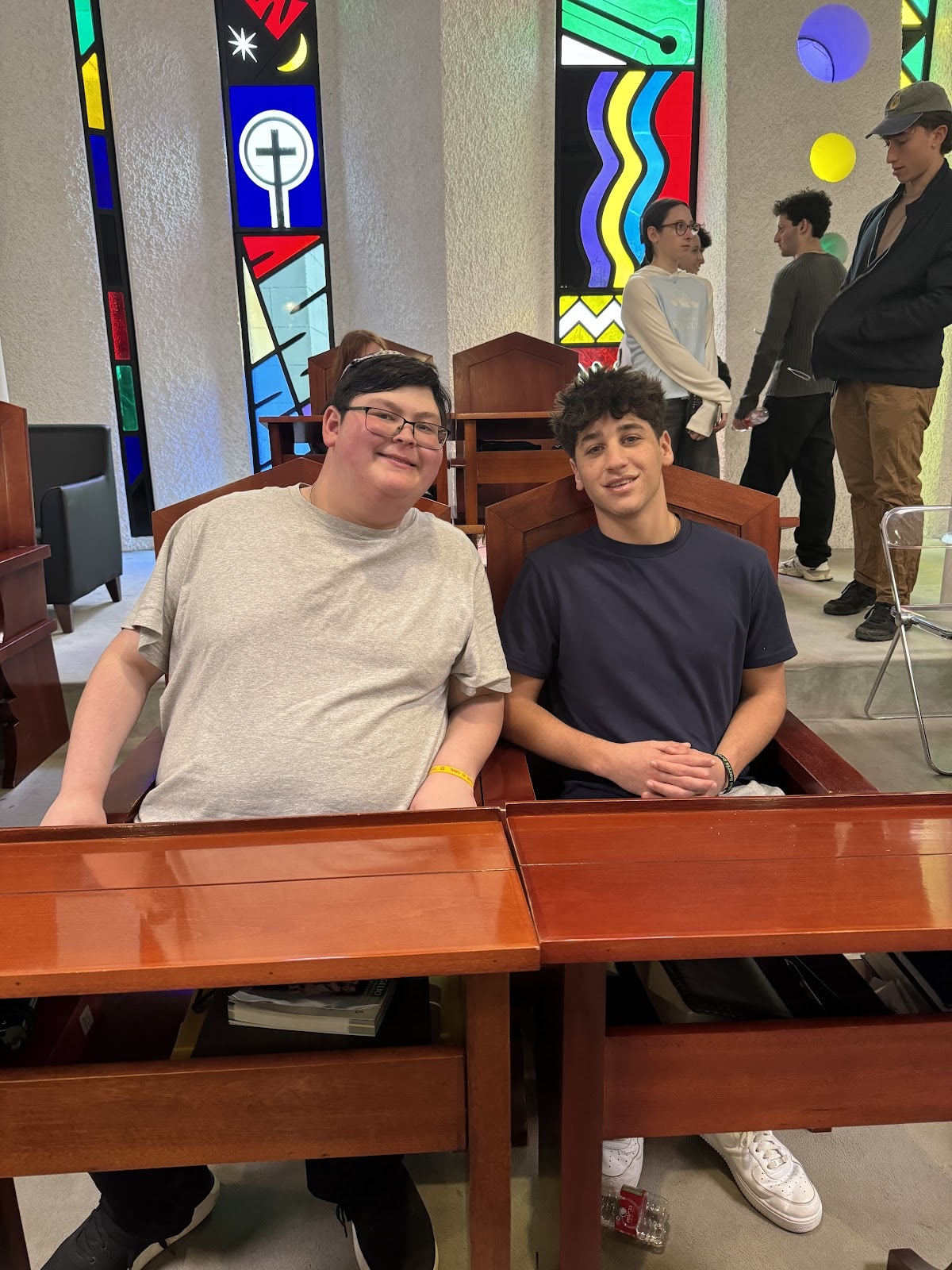
After a nice pizur lunch we went to Domus Gallei, a Catholic monastery which focuses on interfaith work among Jews and Christians. Our guides told us their stories – their personal religious experience, their journey to becoming priests, and about the life they live at the monastery. They also shared with us a moving rendition of the Shema, showed us their impressive library, and explained numerous pieces of their art collection in great detail. It was so amazing to learn about another religion and to be welcomed so warmly. It was by far one of the most beautiful sites we visited, and it goes to show how much the monks and nuns there care.
We finished the day with dinner at our new accommodation, Sha’ar HaGolan, and then had a lecture with Avraham of the Alma Research Center. He gave us a deep dive into the geopolitical situation on the northern border. He was very knowledgeable and gave a fresh perspective on the situation.
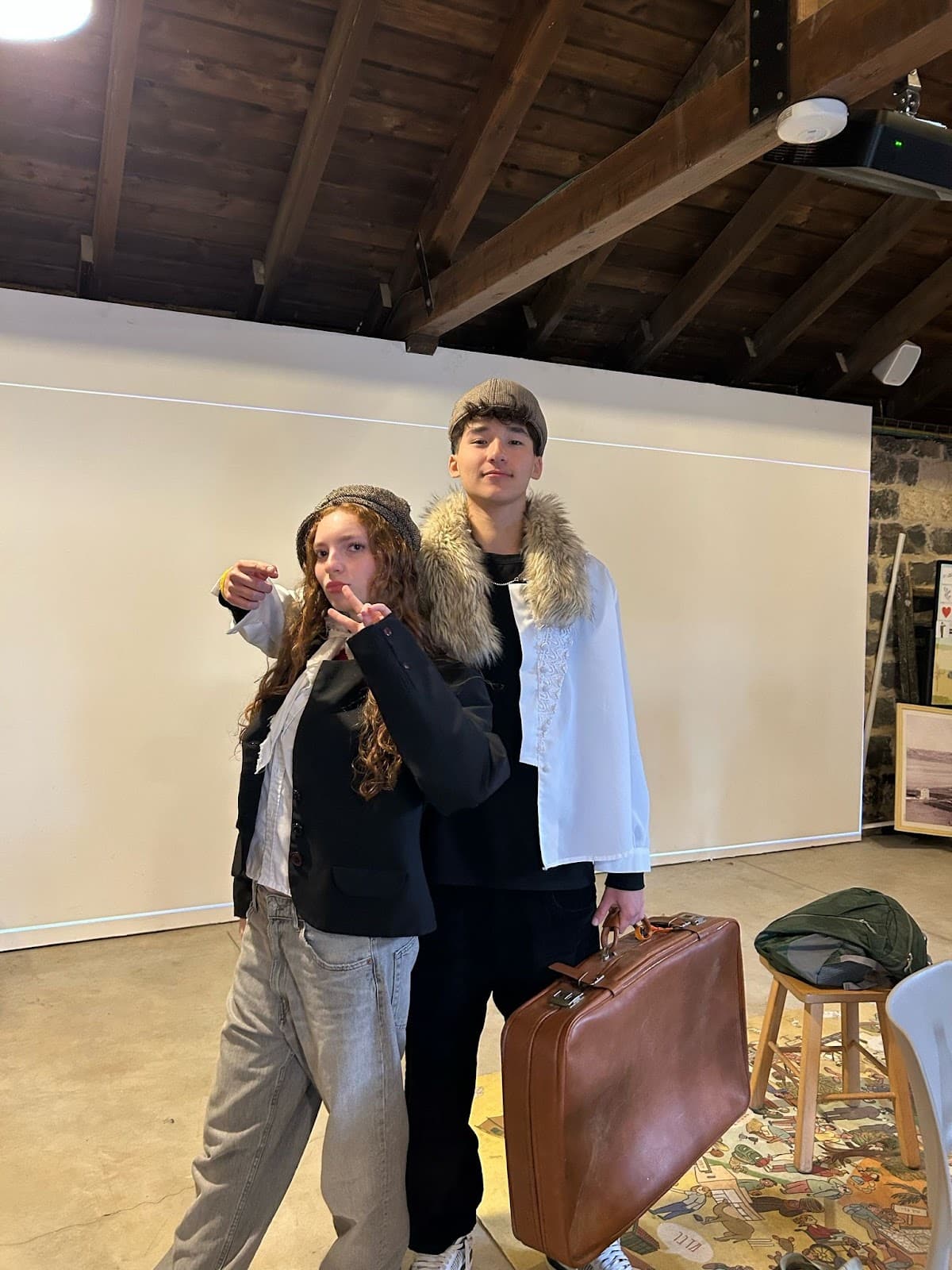
The next day was a heavy one. The Bibas family was being released. Throughout the day, we saw images of the coffins and then received the shocking news that Shiri’s body was not in fact returned. It was a lot, and I personally took a break in the morning. Those who did join the tour were able to learn about the early kibbutz movement by visiting the Kinneret Cemetery and courtyard. They were led by local educators through stories and simulations to get an idea of what kibbutz life was like.
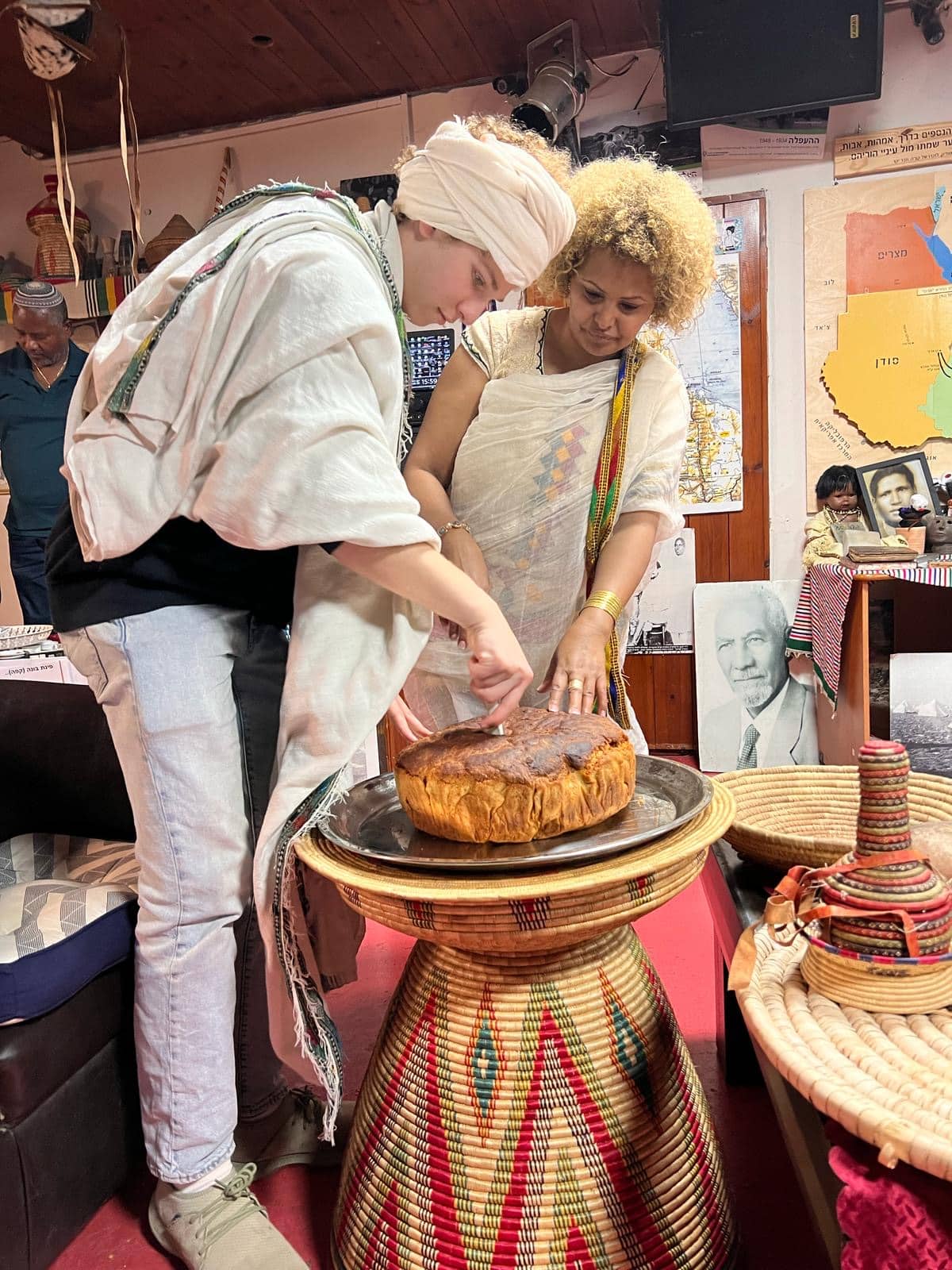
The afternoon was all about food, and between two pizurim was a fantastic Ethiopian experience in Beit She’an. Almo shared with us her journey from Ethiopia to Eretz Yisrael. Her story was captivating and shined a light on an often ignored segment of Israeli society. We capped off our time by trying some Ethiopian food and dancing with Almo to some traditional music.
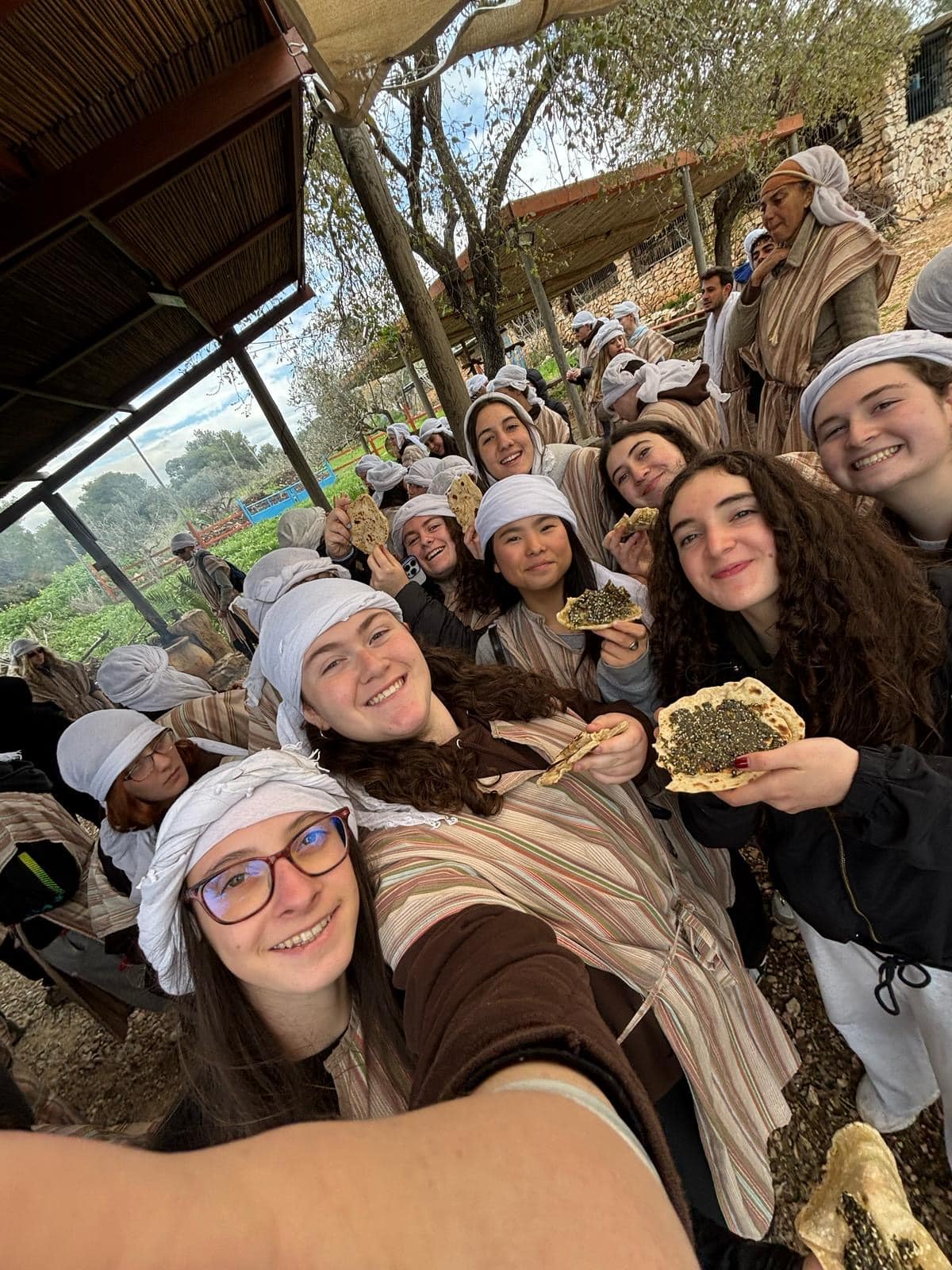
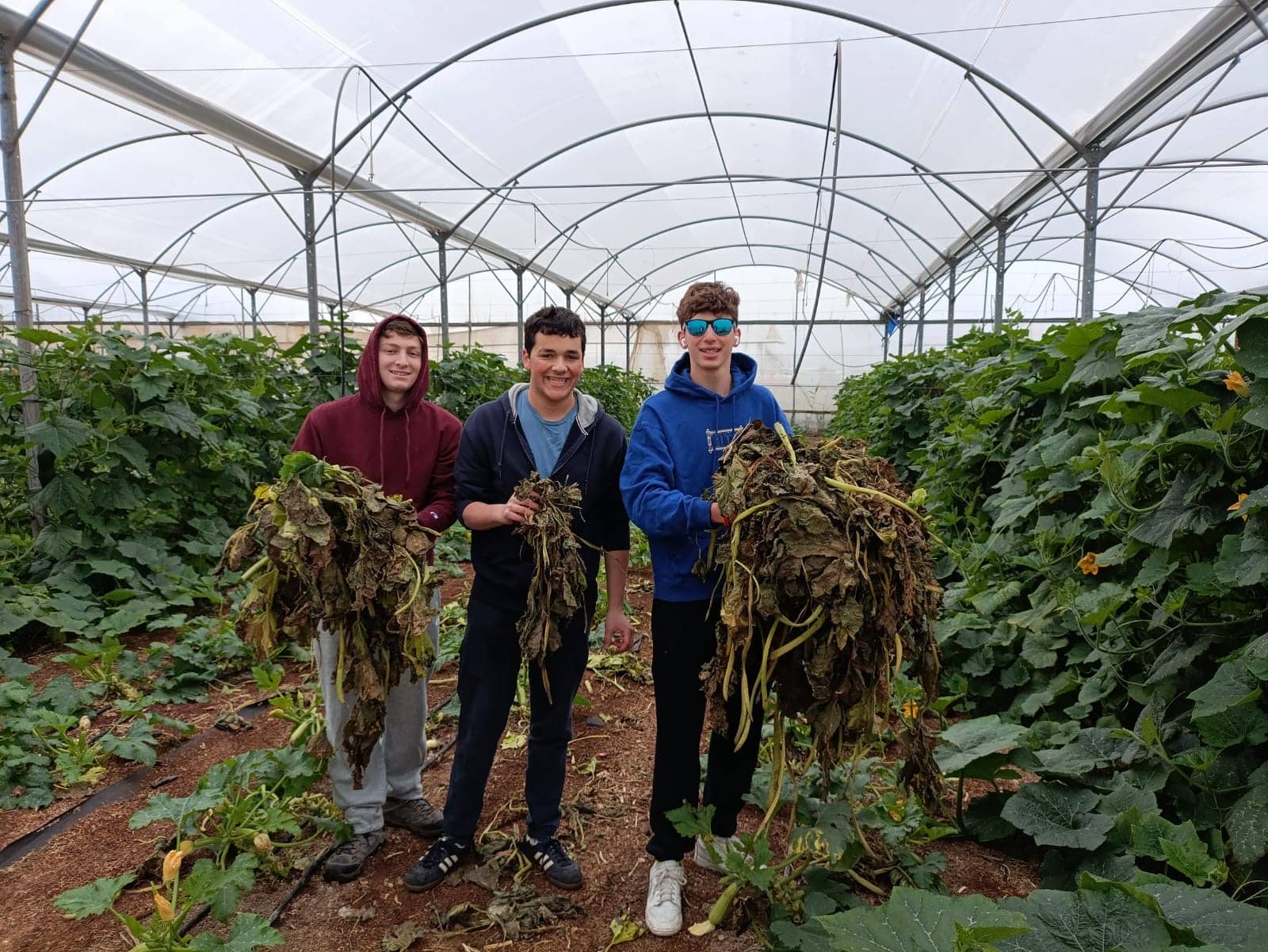
On Friday, the group went to pick produce to help farmers in the north. These farmers have been short-staffed since the start of the war, so our group made a huge difference in helping them with their harvest. We then went to Kfar Kedem, a Mishnaic experience where our guide, Menachem, helped us hone in on the importance of the oral Torah. We got to cap this week off with riding donkeys and eating a pita lunch, cooked by us!
Then it was Shabbat! It was a meaningful end to our week. While services were long, they allowed us to reflect and connect after a physically and emotionally challenging week. Now off to Tel Aviv!
Afterwards, we had a quick falafel lunch and headed to the Carmel mountains. We hiked at a site called Little Switzerland. I don’t see the resemblance, but I certainly see why our guides chose the location. It was beautiful. The beginning of the hike was nice and easy, and towards the end we were challenged with some rock climbing. Dinner was at Nurah’s Kitchen – a kosher Druze restaurant. The food was delicious. It had my favorite dessert so far, Qatayef, which was sort of like a mini apple pie, but filled instead with nuts and spices. We loved getting to hear Nurah’s story and about how members of the Druze community have and continue to contribute so much to Israel. After such a long day, we needed sleep, and so we checked into Nes Ammim to get some. In the morning we were back on the road again, this time to Tzipori. Here we learned about the early rabbis: the clashes with the Romans, the compilation of the Mishnah and later the Talmud, and the mosaics that adorned their homes and places of worship. Much of what we learned here tied directly into what we have all learned in our Talmud and Jewish History classes, and being able to make those connections was amazing. We ended the visit by hearing Max Gorenstein’s senior drashah and eating a delicious lunch of burgers. We quickly stopped in Haifa to take a view of the city. Originally, we were going to walk through some of the Bahai gardens, but a renovation meant we couldn’t do that. Instead, some of us enjoyed ice cream and took in the view as our educators explained to us the significance of Haifa within modern Israel. We then went to the Akko Extreme Park. I am not a thrill seeker, but my friends who are had a wonderful time. There was a zip line, a rock wall, and a bungee jump, and even those of us who didn’t join in had a fun time supporting our friends. We ended the day with a lecture with Ibrahim and Amira, two Palestinian citizens of Israel who shared with us their perspective on the ongoing conflict. With that, we headed to bed after an exhausting day. The next morning we were on the road yet again, this time to the old city of Akko. Our educators led us through this fascinating historical site. We started by exploring the old prison and Crusader castle. Then we visited a mosque. This was my first time at a mosque, and it went amazing. The Waqf were very welcoming. We finished our time in Akko by going through a Templar tunnel from the Crusader period. This tunnel was only recently excavated, and it was a lot of fun. While I had to duck down at points, it was a quick journey, and when we were through, we were at the sea! Then we had lunch and split into hiking groups. One group hiked up Har Gamal. My friend Josef, who was part of this group, said it was tough as it involved climbing, and even a cave at one point, but he said that it was worth it because of the beautiful view. The other two groups went up Har Meron – my group circled around the top and got to see some incredible views. Towards the end Arbel, our medical rakaz, led us in a meditation. It was a great afternoon, and we got to see the majestic beauty of Israel’s north. Unfortunately this was the end of our time with HaMoreh Yaniv, who left to spend the rest of the week with his family. The next morning we were joined by Rabbi Adam as we headed to Tzfat. In Tzfat we met with a kabbalistic musician named Yosef who led us in song and meditation and taught us some Kabbalah. Then we toured the rest of Tzfat. We explored the Jewish Quarter, including the Ari Ashkenazi Synagogue. We concluded with a visit to a candle store, where we stocked up on all sorts of candles and saw the largest Havdalah candles in the world! After a nice pizur lunch we went to Domus Gallei, a Catholic monastery which focuses on interfaith work among Jews and Christians. Our guides told us their stories – their personal religious experience, their journey to becoming priests, and about the life they live at the monastery. They also shared with us a moving rendition of the Shema, showed us their impressive library, and explained numerous pieces of their art collection in great detail. It was so amazing to learn about another religion and to be welcomed so warmly. It was by far one of the most beautiful sites we visited, and it goes to show how much the monks and nuns there care. We finished the day with dinner at our new accommodation, Sha’ar HaGolan, and then had a lecture with Avraham of the Alma Research Center. He gave us a deep dive into the geopolitical situation on the northern border. He was very knowledgeable and gave a fresh perspective on the situation. The next day was a heavy one. The Bibas family was being released. Throughout the day, we saw images of the coffins and then received the shocking news that Shiri’s body was not in fact returned. It was a lot, and I personally took a break in the morning. Those who did join the tour were able to learn about the early kibbutz movement by visiting the Kinneret Cemetery and courtyard. They were led by local educators through stories and simulations to get an idea of what kibbutz life was like. The afternoon was all about food, and between two pizurim was a fantastic Ethiopian experience in Beit She’an. Almo shared with us her journey from Ethiopia to Eretz Yisrael. Her story was captivating and shined a light on an often ignored segment of Israeli society. We capped off our time by trying some Ethiopian food and dancing with Almo to some traditional music. On Friday, the group went to pick produce to help farmers in the north. These farmers have been short-staffed since the start of the war, so our group made a huge difference in helping them with their harvest. We then went to Kfar Kedem, a Mishnaic experience where our guide, Menachem, helped us hone in on the importance of the oral Torah. We got to cap this week off with riding donkeys and eating a pita lunch, cooked by us! Then it was Shabbat! It was a meaningful end to our week. While services were long, they allowed us to reflect and connect after a physically and emotionally challenging week. Now off to Tel Aviv!”